
Dr Bharti Goverdan
About Me
Dr Bharti Goverdan
Ayurveda
Biography
My Clinic
OPD Hours
| Tuesday | Morning | 10:00 AM | - | 02:00 PM |
| Evening | 06:00 PM | - | 09:00 PM | |
| Wednesday | Morning | 10:00 AM | - | 02:00 PM |
| Evening | 06:00 PM | - | 09:00 PM | |
| Thursday | Morning | 10:00 AM | - | 02:00 PM |
| Evening | 06:00 PM | - | 09:00 PM | |
| Friday | Morning | 10:00 AM | - | 02:00 PM |
| Evening | 06:00 PM | - | 09:00 PM | |
| Saturday | Morning | 10:00 AM | - | 02:00 PM |
| Evening | 06:00 PM | - | 09:00 PM | |
| Sunday | Morning | 10:00 AM | - | 02:00 PM |
| Evening | 06:00 PM | - | 09:00 PM | |
| Thursday | Morning | 10:00 AM | - | 02:00 PM |
| Evening | 06:00 PM | - | 09:00 PM |
Treatments
Specialised care and treatments offered
YOGA AND MEDITATION
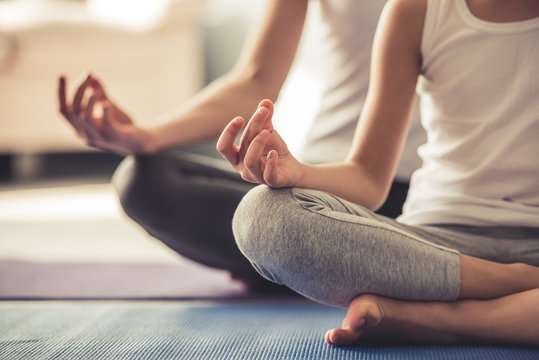
Yoga and meditation are practices that promote physical, mental, and spiritual well-being. While they are often associated with each other, they are distinct practices with different focuses.
Here's an overview of yoga and meditation:
1. Yoga: Yoga originated in ancient India and encompasses a range of physical, mental, and spiritual practices. It involves a combination of physical postures (asanas), breathing exercises (pranayama), meditation, and ethical principles. The primary goal of yoga is to achieve harmony and balance in the body, mind, and spirit.
Some key aspects of yoga include:
Physical Benefits: Yoga improves flexibility, strength, balance, and posture. It can also help with pain management, increase energy levels, and enhance overall physical fitness.
Mental and Emotional Benefits: Yoga helps reduce stress, anxiety, and depression. It promotes relaxation, mindfulness, and self-awareness, leading to improved mental well-being.
Spiritual Aspect: Yoga has a spiritual dimension, aiming to connect individuals with their inner self and a higher consciousness. It encourages self-reflection, introspection, and personal growth.
Styles and Traditions: There are various styles of yoga, such as Hatha, Vinyasa, Ashtanga, Bikram, and Kundalini, each with its own emphasis and approach. Additionally, different yoga traditions, such as Iyengar, Jivamukti, or Sivananda, may incorporate specific teachings and philosophies.
2. Meditation: Meditation is a practice that involves focusing the mind and inducing a state of deep relaxation and mental clarity. It can be done in various forms, including seated meditation, guided meditation, mindfulness meditation, and transcendental meditation. The main goal of meditation is to cultivate awareness, mindfulness, and a sense of inner calm.
Some key aspects of meditation include:
Mental Clarity: Regular meditation practice helps calm the mind, reduce racing thoughts, and improve concentration and focus.
Stress Reduction: Meditation is known to alleviate stress, anxiety, and emotional strain. It promotes a state of relaxation and enhances overall mental well-being.
Mindfulness: Many forms of meditation emphasize mindfulness, which involves paying attention to the present moment without judgment. This practice cultivates awareness and helps individuals develop a more positive and compassionate mindset.
Health Benefits: Meditation has been linked to various health benefits, including lowered blood pressure, improved immune function, better sleep, and reduced symptoms of certain conditions like chronic pain and depression.
Both yoga and meditation can be practiced individually or combined. Many yoga classes incorporate elements of meditation, such as breath awareness and mindfulness, during the practice. It's important to note that both yoga and meditation are personal journeys, and the benefits are often experienced gradually over time with consistent practice.
MASSAGE THERAPY
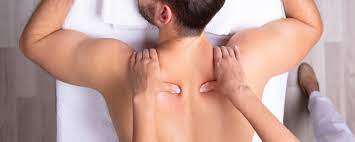
Massage therapy is a hands-on manipulation of soft tissues in the body to enhance a person's health and well-being. It has been practiced for thousands of years and is known for its healing and relaxation benefits.
Here are some key points about massage therapy:
1. Techniques and Modalities: Massage therapists use various techniques and modalities to address different conditions and client preferences. Some common techniques include Swedish massage, deep tissue massage, sports massage, and aromatherapy massage. Other modalities include hot stone massage, Thai massage, reflexology, and prenatal massage, among others.
2. Benefits: Massage therapy offers a range of physical and mental benefits. It can help relax muscles, reduce muscle tension, improve circulation, promote lymphatic drainage, alleviate pain and stiffness, enhance joint mobility, and boost the immune system. It is also known to reduce stress, anxiety, and depression, promote better sleep, and improve overall mental well-being.
3. Professional Practitioners: Massage therapy is typically performed by licensed and trained massage therapists. They undergo specific education and training to understand human anatomy, physiology, and the application of various massage techniques. It's essential to seek services from a qualified practitioner to ensure safety and effectiveness.
4. Settings: Massage therapy can be provided in various settings, including spas, wellness centers, clinics, hospitals, and even in-home sessions. The ambiance is often designed to create a soothing and relaxing environment, with soft lighting, calming music, and comfortable massage tables.
5. Individualized Approach: A skilled massage therapist will assess a client's specific needs, considering their medical history, current health condition, and personal preferences. This individualized approach helps tailor the massage session to address specific concerns and achieve optimal results.
6. Precautions and Contraindications: While massage therapy is generally safe and beneficial, there are some precautions and contraindications to consider. People with certain medical conditions such as fractures, open wounds, severe osteoporosis, deep vein thrombosis, contagious skin conditions, or those who are pregnant should consult with their healthcare provider before getting a massage. It's crucial to communicate openly with the therapist about any health concerns or discomfort during the session.
7. Regulations: Massage therapy is regulated differently in various countries and regions. In many places, practitioners are required to meet specific licensing or certification standards to ensure competency and professionalism. It's advisable to check the local regulations and seek services from licensed professionals.
Remember, massage therapy should not replace medical treatment for specific conditions but can be a valuable complement to a holistic approach to health and well-being. If you are interested in getting a massage, it's best to consult with a qualified massage therapist to determine the most suitable treatment for your needs.
PANCHAKARMA
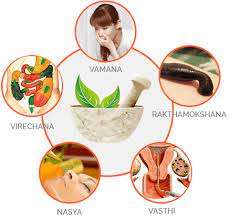
Panchakarma is an Ayurvedic therapy that focuses on detoxifying and rejuvenating the body. It is a comprehensive system of purification techniques used in Ayurveda, a traditional Indian system of medicine. The term "Panchakarma" translates to "five actions" in Sanskrit, referring to the five main procedures involved in the therapy. These procedures aim to remove accumulated toxins, or "ama," from the body, restore balance to the doshas (vital energies), and promote overall well-being.
The five actions of Panchakarma are:
1. Vamana (Therapeutic Emesis): This procedure involves controlled vomiting induced through the administration of herbal medicines. It is used to eliminate excess Kapha dosha from the body, particularly from the respiratory and digestive systems.
2. Virechana (Purgation Therapy): Virechana is the process of cleansing the body by inducing controlled bowel movements. It helps remove excess Pitta dosha from the body, particularly from the liver and gallbladder.
3. Basti (Enema Therapy): Basti involves the administration of herbal decoctions and oils through the rectum. It is used to eliminate Vata dosha from the body and helps nourish and lubricate the colon, promoting detoxification and rejuvenation.
4. Nasya (Nasal Administration): Nasya involves the application of herbal oils, powders, or medicated liquids into the nostrils. It helps cleanse and rejuvenate the nasal passages, sinuses, and head, and is particularly beneficial for balancing Kapha and Vata doshas in the upper body.
5. Rakta Mokshana (Bloodletting): Rakta Mokshana is the process of removing impure blood from the body. It is performed in specific conditions and aims to cleanse the blood and treat diseases related to blood impurities.
Panchakarma is typically carried out in a specialized Ayurvedic clinic or hospital under the guidance of trained practitioners. The therapy is personalized based on an individual's dosha imbalance and specific health needs. Before undergoing Panchakarma, a preparatory phase called "Purvakarma" is often implemented, which includes oleation (external and internal oil application) and sudation (steam therapy) to prepare the body for detoxification.
Panchakarma is not only used as a therapeutic measure but is also employed as a preventive healthcare practice to maintain overall health and prevent diseases. It is important to consult with a qualified Ayurvedic practitioner to determine if Panchakarma is suitable for an individual's specific health conditions and to receive proper guidance throughout the process.
RENAL CALCULLI
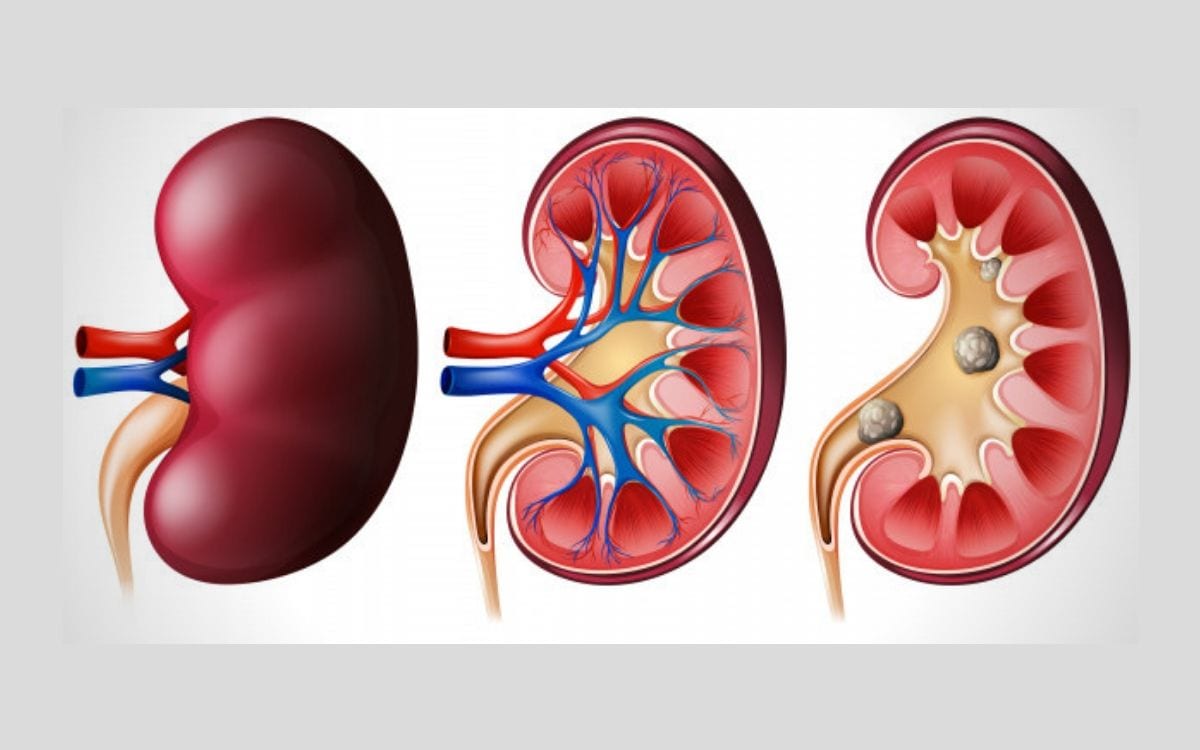
- Pink, red or brown urine.
- Cloudy or foul-smelling urine.
- A persistent need to urinate, urinating more often than usual or urinating in small amounts.
- Nausea and vomiting.
- Fever and chills if an infection is present.
FISTULA IN ANO
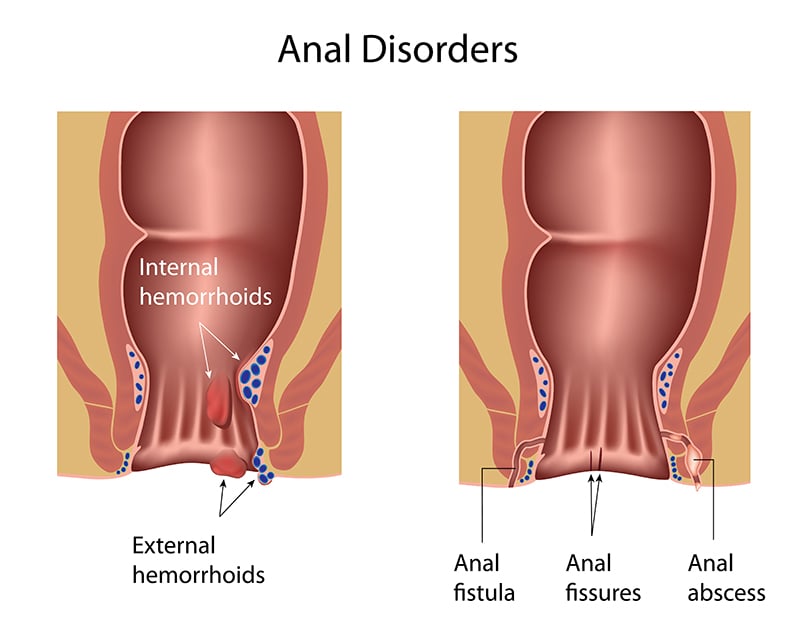
- skin irritation around the anus.
- a constant, throbbing pain that may be worse when you sit down, move around, poo or cough.
- smelly discharge from near your anus.
- passing pus or blood when you poo.
- swelling and redness around your anus and a high temperature if you also have an abscess.
PERIANAL SINUS
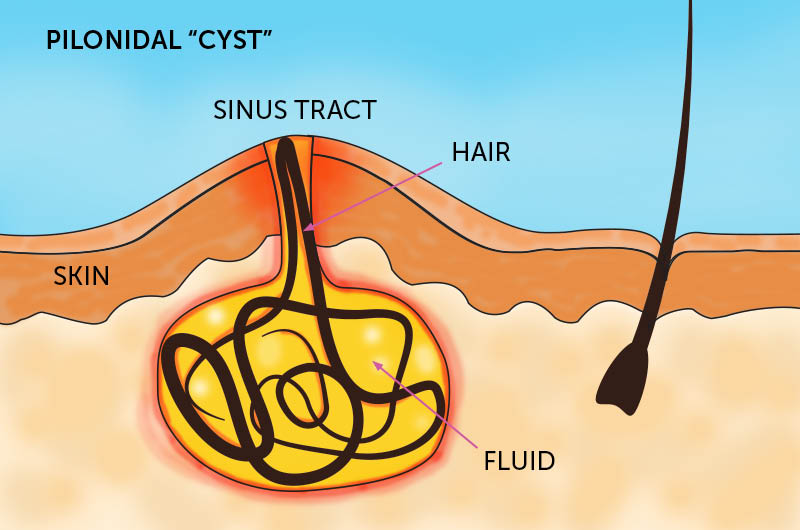
The signs of an infection include:
- pain when sitting or standing
- swelling of the cyst
- reddened, sore skin around the area
- pus or blood draining from the abscess, causing a foul odor
- hair protruding from the lesion
- formation of more than one sinus tract, or holes in the skin
PERIANAL WORTS
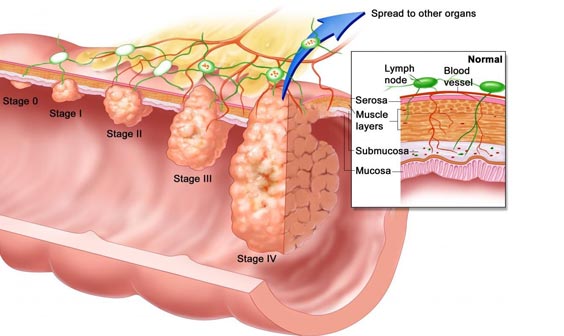
- Soft lumps in or around your anus.
- Light brown, yellow, pink or flesh-colored lumps that may cluster together.
- Bleeding.
- Itching.
- Leaking discharge from your anus (caused by internal anal warts).
RECTAL PROLAPSE
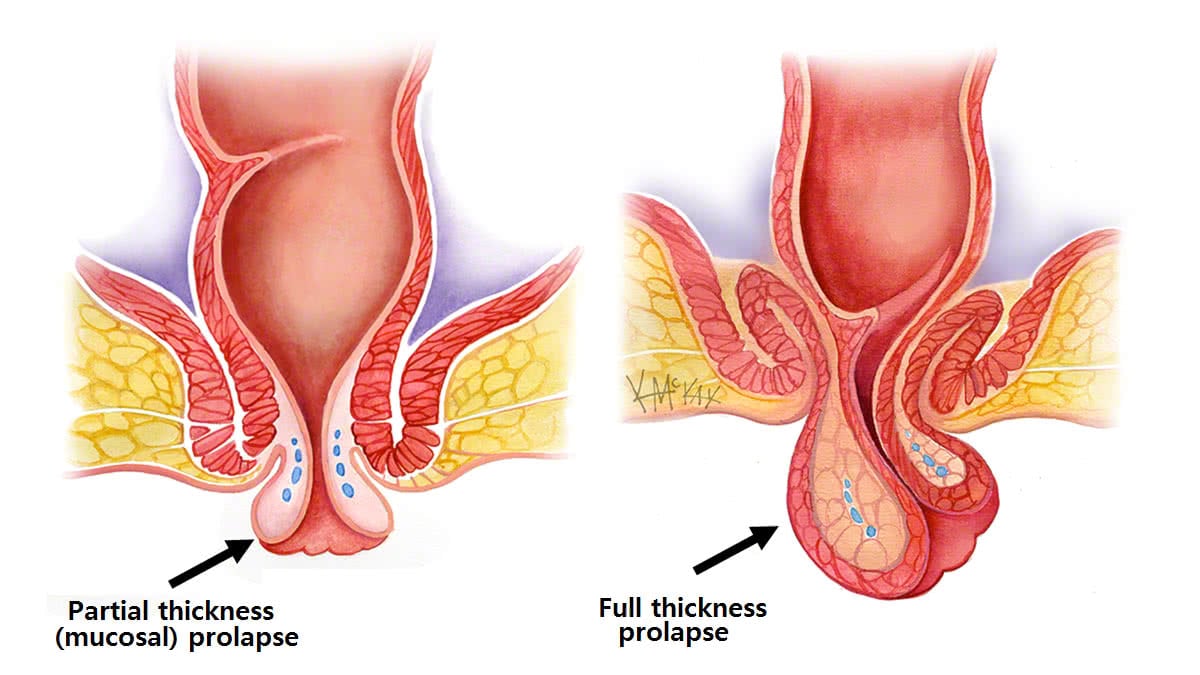
If you have rectal prolapse, you may notice a reddish lump that comes out of the anus, often while straining during a bowel movement. The lump may slip back inside the anus, or it may continue to be seen.
Other symptoms may include:
- You cannot control your bowel movements, known as fecal incontinence.
- Constipation or loose stools.
- Leaking blood or mucus from the rectum.
- Feeling that your rectum isn't empty after a bowel movement.
RECTAL POLYPS
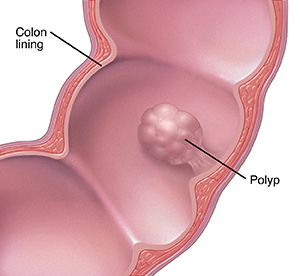
- Change in bowel habits. Constipation or diarrhea that lasts longer than a week may mean the presence of a larger colon polyp or cancer. ...
- Change in stool color. Blood can show up as red streaks in your stool or make stool appear black. ...
- Iron deficiency anemia. ...
- Pain. ...
- Rectal bleeding.