
Dr Nikhil Jadhav
About Me
Dr Nikhil Jadhav
Cardiologist
Biography
My Clinic
OPD Hours
| Tuesday | Morning | 10:00 AM | - | 02:00 PM |
| Evening | 06:00 PM | - | 09:00 PM | |
| Wednesday | Morning | 10:00 AM | - | 02:00 PM |
| Evening | 06:00 PM | - | 09:00 PM | |
| Thursday | Morning | 10:00 AM | - | 02:00 PM |
| Evening | 06:00 PM | - | 09:00 PM | |
| Friday | Morning | 10:00 AM | - | 02:00 PM |
| Evening | 06:00 PM | - | 09:00 PM | |
| Saturday | Morning | 10:00 AM | - | 02:00 PM |
| Evening | 06:00 PM | - | 09:00 PM | |
| Sunday | Morning | 10:00 AM | - | 02:00 PM |
| Evening | 06:00 PM | - | 09:00 PM | |
| Thursday | Morning | 10:00 AM | - | 02:00 PM |
| Evening | 06:00 PM | - | 09:00 PM |
Treatments
Specialised care and treatments offered
INTERVENTIONAL PROCEDURES
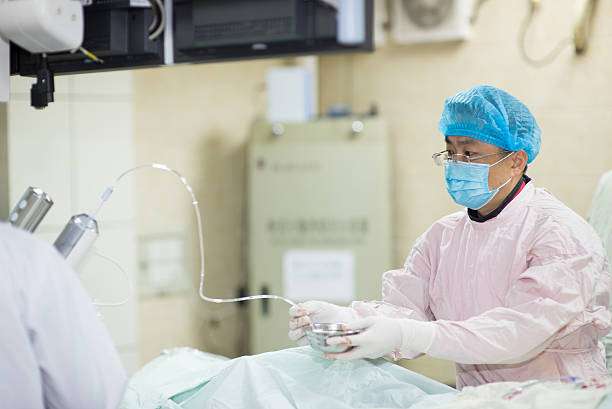
Interventional procedures are medical procedures that are performed using minimally invasive techniques to diagnose or treat various conditions. These procedures often involve the use of specialized instruments, imaging guidance, and small incisions or catheter insertions. They are typically performed by interventional radiologists, cardiologists, or other specialized physicians.
Here are some examples of common interventional procedures:
1. Angiography and Angioplasty: Angiography involves injecting a contrast dye into blood vessels to visualize their structure and identify any abnormalities. Angioplasty is a procedure used to widen narrowed or blocked blood vessels. It is often performed using a balloon catheter to compress plaque and restore blood flow.
2. Stent Placement: Stents are small mesh tubes inserted into narrowed or blocked blood vessels to help keep them open. They are commonly used in the treatment of coronary artery disease, peripheral artery disease, and other conditions causing vessel blockages.
3. Biopsy: A biopsy involves removing a small sample of tissue for examination and diagnosis. Interventional radiologists may use imaging guidance, such as ultrasound or CT, to precisely target the tissue for biopsy.
4. Radiofrequency Ablation: This procedure uses heat generated by radiofrequency energy to destroy abnormal or cancerous cells. It is often used in the treatment of tumors, especially in the liver, kidney, lung, or bone.
5. Embolization: Embolization is a technique used to block or reduce blood flow to certain areas of the body. It involves the injection of small particles or embolic agents into blood vessels to treat conditions like bleeding, tumors, or vascular malformations.
6. Vertebroplasty and Kyphoplasty: These procedures are performed to stabilize fractured vertebrae in the spine. Bone cement is injected into the fractured vertebra to provide support and alleviate pain.
7. Chemoembolization and Radioembolization: These techniques deliver chemotherapy drugs or radioactive particles directly into tumors or blood vessels supplying tumors. They are often used in the treatment of liver cancer and certain metastatic tumors.
8. Drainage Procedures: Interventional radiologists can perform various drainage procedures to remove fluid or pus from body cavities or abscesses. They may use image guidance to place drainage catheters or perform percutaneous abscess drainage.
9. Ablation for Arrhythmias: Radiofrequency or cryoablation can be used to treat abnormal heart rhythms (arrhythmias) by selectively destroying abnormal electrical pathways in the heart.
PEDIATRICIAN & NICU

SURGERY & TRAUMA CARE
ORTHOPAEDIC
CARDIOLOGY