
Dr Nitesh Jain
About Me
Dr Nitesh Jain
Rheumatologist
Biography
My Clinic
OPD Hours
| Tuesday | Morning | 10:00 AM | - | 02:00 PM |
| Evening | 06:00 PM | - | 09:00 PM | |
| Wednesday | Morning | 10:00 AM | - | 02:00 PM |
| Evening | 06:00 PM | - | 09:00 PM | |
| Thursday | Morning | 10:00 AM | - | 02:00 PM |
| Evening | 06:00 PM | - | 09:00 PM | |
| Friday | Morning | 10:00 AM | - | 02:00 PM |
| Evening | 06:00 PM | - | 09:00 PM | |
| Saturday | Morning | 10:00 AM | - | 02:00 PM |
| Evening | 06:00 PM | - | 09:00 PM | |
| Sunday | Morning | 10:00 AM | - | 02:00 PM |
| Evening | 06:00 PM | - | 09:00 PM | |
| Thursday | Morning | 10:00 AM | - | 02:00 PM |
| Evening | 06:00 PM | - | 09:00 PM |
Treatments
Specialised care and treatments offered
LIFESTYLE RECOMMENDATIONS

Lifestyle recommendations can vary widely depending on the individual's specific health conditions, age, gender, and other factors.
However, some general recommendations for a healthier lifestyle include:
1. Balanced Diet: Maintain a balanced diet rich in fruits, vegetables, whole grains, lean protein, and healthy fats. Limit intake of processed foods, saturated and trans fats, sugar, and salt.
2. Physical Activity: Engage in regular physical activity. Adults should aim for at least 150 minutes of moderate-intensity aerobic activity or 75 minutes of vigorous-intensity activity, or an equivalent combination each week. Strength training exercises for all major muscle groups should be done at least twice a week.
3. Adequate Sleep: Ensure you get enough quality sleep. While the exact amount can vary, most adults need between 7 to 9 hours per night.
4. Hydration: Drink plenty of fluids daily, especially water. The amount may vary depending on age, sex, physical activity level, and overall health, but a general guideline is at least 8 cups of water a day.
5. Regular Check-ups: Regular health screenings can help detect potential health issues before they become serious.
6. Stress Management: Use stress management techniques, such as meditation, deep breathing, yoga, or other forms of mindfulness practices. Make time for hobbies and activities you enjoy.
7. Avoid Harmful Behaviors: Avoid smoking and limit alcohol consumption. The negative health effects of smoking are well-documented, and while moderate alcohol consumption may have some health benefits, excessive drinking can lead to serious health problems.
8. Healthy Body Weight: Maintain a healthy body weight. Overweight and obesity increase the risk for a number of health problems, including heart disease, diabetes, and certain cancers.
Remember, these are general recommendations, and individual needs may vary. Always consult with a healthcare provider or a registered dietitian before making significant changes to your diet, exercise, or general lifestyle, especially if you have chronic conditions or specific dietary needs.
PHYSICAL THERAPY OR PHYSIOTHERAPY

Physical therapy, also known as physiotherapy, is a healthcare profession dedicated to the assessment, maintenance, and restoration of the physical function and performance of the body. It is performed by physical therapists (PTs), who are experts in the movement and function of the body.
Physical therapy can help people of all ages who have medical conditions, illnesses, or injuries that limit their regular ability to move and function. The primary goal of physical therapy is to make daily tasks and activities easier and to make individuals more independent. It can also prevent further injury and improve overall health and well-being.
Physical therapy involves several key components:
1. Evaluation and Assessment: A physical therapist will begin by evaluating the patient's condition and understanding their health history. This could involve checking the patient's flexibility, strength, balance, coordination, posture, breathing, and motor function.
2. Setting Goals: Based on the evaluation, the PT will set personalized goals for the patient. These goals depend on the individual's specific needs and desired outcomes.
3. Treatment Plan: A treatment plan is designed to meet the patient's unique needs and can involve a variety of interventions, including exercises for flexibility, strength, and balance, manual therapy techniques, and the use of equipment like heat, ice, ultrasound, or electrical stimulation.
4. Education: Education is an integral part of physical therapy. PTs educate patients about their conditions, what the treatment will involve, and how they can manage their condition or injury at home.
Physical therapy can help manage a wide variety of conditions, including but not limited to: -
- Musculoskeletal conditions such as back pain, osteoarthritis, and fractures.
- Neurological conditions like stroke, spinal cord injuries, Parkinson's disease, and multiple sclerosis.
- Cardiovascular conditions like heart disease and rehabilitation after a heart attack.
- Pulmonary conditions such as chronic obstructive pulmonary disease (COPD) and cystic fibrosis.
- Pediatric conditions like developmental delays, cerebral palsy, and muscular dystrophy.
MEDICATION
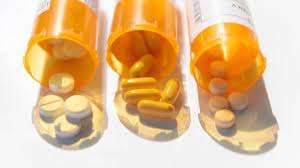
The medication a rheumatologist may prescribe depends on the specific condition being treated, its severity, and the patient's overall health.
Below are some commonly prescribed medications in rheumatology:
1. Nonsteroidal Anti-Inflammatory Drugs (NSAIDs): NSAIDs like ibuprofen and naproxen can be used to reduce inflammation and alleviate pain in conditions such as rheumatoid arthritis and gout.
2. Corticosteroids: Drugs like prednisone can be used to reduce inflammation and suppress the immune system. They can be used in a variety of rheumatic conditions, including rheumatoid arthritis, lupus, and vasculitis.
3. Disease-Modifying Antirheumatic Drugs (DMARDs): These medications are often used in diseases like rheumatoid arthritis and lupus. They work by suppressing the body's immune response, thereby preventing it from attacking the joints. Methotrexate is a commonly used DMARD.
4. Biologics: These are a type of DMARD that target specific parts of the immune system. They can be used in conditions like rheumatoid arthritis, psoriatic arthritis, and ankylosing spondylitis. Examples include etanercept (Enbrel), infliximab (Remicade), and adalimumab (Humira).
5. Gout Medications: Drugs like colchicine, allopurinol, and febuxostat are used to manage gout. They work by either reducing inflammation during a gout attack or by lowering uric acid levels to prevent attacks.
6. Osteoporosis Medications: Drugs like bisphosphonates (alendronate, risedronate), calcitonin, and denosumab are used to slow bone loss and reduce the risk of fractures in osteoporosis.
These are just examples of the medications a rheumatologist may prescribe. It's important for patients to discuss the potential benefits, risks, and side effects of these medications with their doctor.
The rheumatologist will tailor the treatment plan to the individual patient's condition and needs.
Lastly, it's important to remember that medications are only one aspect of managing rheumatic conditions. Lifestyle changes, like regular exercise, a healthy diet, adequate sleep, stress management, and physical therapy, are also crucial parts of most treatment plans.