
Dr Ravi Kumar
About Me
Dr Ravi Kumar
Therapist
Biography
My Clinic
OPD Hours
| Tuesday | Morning | 10:00 AM | - | 02:00 PM |
| Evening | 06:00 PM | - | 09:00 PM | |
| Wednesday | Morning | 10:00 AM | - | 02:00 PM |
| Evening | 06:00 PM | - | 09:00 PM | |
| Thursday | Morning | 10:00 AM | - | 02:00 PM |
| Evening | 06:00 PM | - | 09:00 PM | |
| Friday | Morning | 10:00 AM | - | 02:00 PM |
| Evening | 06:00 PM | - | 09:00 PM | |
| Saturday | Morning | 10:00 AM | - | 02:00 PM |
| Evening | 06:00 PM | - | 09:00 PM | |
| Sunday | Morning | 10:00 AM | - | 02:00 PM |
| Evening | 06:00 PM | - | 09:00 PM | |
| Thursday | Morning | 10:00 AM | - | 02:00 PM |
| Evening | 06:00 PM | - | 09:00 PM |
Treatments
Specialised care and treatments offered
INTERPERSONAL THERAPY (IPT)
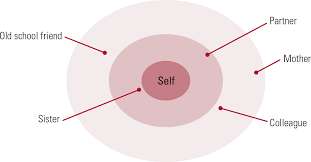
Interpersonal Therapy (IPT) is a type of treatment that's commonly used for major depression, but it can also be used for other mental health issues, including anxiety disorders, eating disorders, and bipolar disorder. The primary goal of IPT is to improve the quality of a patient's interpersonal relationships and social functioning to help reduce their psychological distress. It operates on the idea that interpersonal problems can lead to psychological symptoms, and vice versa.
There are four main components of interpersonal therapy:
1. Grief (or complicated bereavement): The therapist works with the patient to help them express their feelings about the loss and to help them develop ways to cope with the loss and move forward.
2. Role Disputes: These occur when the patient and significant people in their lives have differing expectations about their relationship. The therapist will try to help the patient find ways to resolve the dispute.
3. Role Transitions: These occur when a major change happens in the patient's life, such as becoming a parent, getting married, starting a new job, or retiring. The therapist helps the patient find ways to cope with the change and adapt to their new role.
4. Interpersonal Deficits: If a patient has a hard time forming relationships with others, the therapist will work with them to explore past relationships and to find ways to improve their social skills and connections.
The therapy typically takes place over 12 to 16 weekly sessions. The first few sessions are usually devoted to diagnostic assessment, identifying the person's interpersonal problem areas, and creating a treatment plan. The middle phase of treatment focuses on addressing the identified problem areas and working on ways to improve them. The final phase of treatment involves reviewing what has been achieved and planning for the maintenance of therapeutic gains after treatment is over.
IPT is an empirically validated treatment that has been found effective for a variety of psychiatric disorders. It emphasizes the importance of the social and relational aspects of human lives, recognizing that our relationships have a profound impact on our mental health. The focus is not on personality change, but on seeking improvement in current relationships and learning to form healthy relationships in the future.
DIALECTICAL BEHAVIOR THERAPY (DBT)
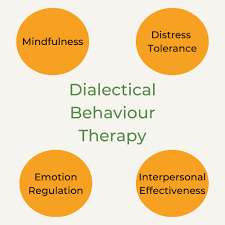
Dialectical Behavior Therapy (DBT) is a type of cognitive-behavioral therapy that was originally developed to treat borderline personality disorder (BPD). Since its inception, it has been adapted to treat other mental health disorders, including depression, eating disorders, and substance abuse.
DBT was developed by psychologist Marsha M. Linehan in the late 1980s. It combines standard cognitive-behavioral techniques for emotion regulation and reality-testing with concepts of mindful awareness, distress tolerance, and acceptance largely derived from Buddhist meditative practice.
DBT has five specific functions:
1. Enhancing Capabilities: DBT aims to enhance patients' capabilities by helping them acquire new behavior skills. This includes mindfulness, interpersonal effectiveness, emotion regulation, and distress tolerance.
2. Generalizing Capabilities: DBT works to ensure that the skills learned are applied in all relevant environments.
3. Improving Motivation and Reducing Dysfunctional Behaviors: DBT aims to diminish behaviors that are harmful to oneself, relationships, and quality of life.
4. Enhancing and Maintaining Therapist Capabilities and Motivation: DBT therapy recognizes the emotional impact that treating severe cases can have on therapists and includes measures to ensure therapists stay effective and motivated.
5. Structuring the Environment: DBT often involves efforts to change the patient's environment in ways that make it more likely they will engage in adaptive rather than maladaptive behaviors.
The therapy is typically composed of individual therapy sessions, group skills training, phone coaching (as needed during crises), and team consultation meetings for therapists.
One key characteristic of DBT is its emphasis on the concept of "dialectic." In this context, it refers to balancing and resolving seemingly contradictory positions—acceptance and change. On the one hand, DBT encourages patients to accept their feelings and behaviors; on the other hand, it pushes for positive behavioral change.
The combination of acceptance and change techniques is what makes DBT unique. The therapy helps patients build an accepting attitude toward their current situation, while also teaching them the skills to change unhealthy behaviors.
PSYCHOANALYTIC THERAPY
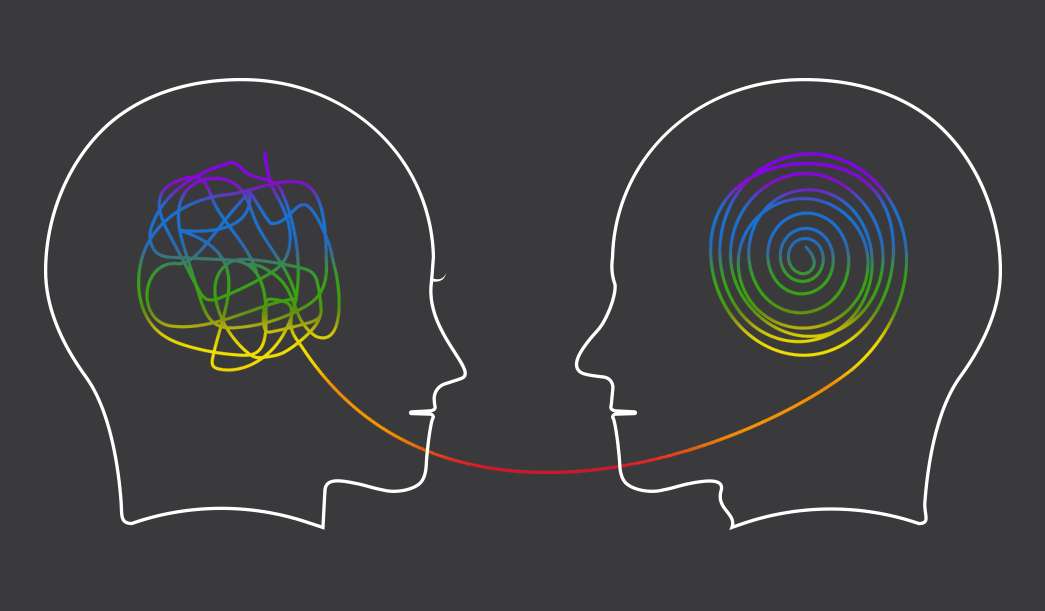
Psychoanalytic therapy is a form of in-depth talk therapy that aims to bring unconscious or deeply buried thoughts and feelings to the conscious mind so that repressed experiences and emotions, often from childhood, can be brought to the surface and examined. This form of therapy was developed by Sigmund Freud, the father of psychoanalysis, and it has greatly influenced the field of psychology.
Psychoanalytic therapy is based on the idea that individuals are often unaware of many factors that cause their behavior and emotions. These unconscious factors can lead to unhappiness, sometimes in the form of recognizable symptoms and at other times as troubling personality traits, difficulties in work or in love relationships, or disturbances in mood and self-esteem.
The main techniques used in psychoanalytic therapy include free association, dream analysis, and analysis of transference.
1. Free Association: In this technique, clients are encouraged to share thoughts, words, and anything else that comes to mind. The theory behind this is that it helps bring to the surface thoughts and feelings kept in the unconscious.
2. Dream Analysis: Psychoanalytic therapists view dreams as the "royal road to the unconscious." Clients are asked to share their dreams, and then the therapist and client work together to analyze and interpret these dreams to reveal unconscious thoughts, desires, and experiences.
3. Analysis of Transference: Transference is a phenomenon where patients transfer feelings and attitudes from a person or situation in the past onto a person or situation in the present. In therapy, patients might transfer feelings towards their parents, for example, onto their therapist. By analyzing these transferences, therapists can help clients understand and resolve past conflicts and issues.
Psychoanalytic therapy is often a long-term endeavor, given the emphasis on exploring the past and uncovering deeply buried feelings and thoughts. It can be used to treat a variety of mental health conditions, including anxiety disorders, mood disorders, personality disorders, and eating disorders.
However, because psychoanalytic therapy is time-intensive and typically requires a significant commitment of resources, it may not be the first choice for individuals seeking treatment for mental health issues. Other forms of therapy, such as cognitive-behavioral therapy (CBT), can offer more immediate relief for certain conditions.
COGNITIVE BEHAVIORAL THERAPY (CBT)
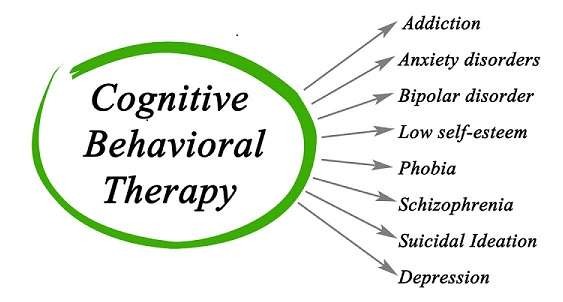
Cognitive Behavioral Therapy (CBT) is a type of psychotherapy that has become increasingly popular in recent decades. Its premise is that our thoughts (cognitions) and behaviors have a significant impact on our mental health and general wellbeing. By identifying and changing harmful thoughts, emotions, and behaviors, CBT can help individuals manage or overcome various psychological challenges. CBT is based on several core principles:
1. Psychological problems are often based in part on faulty or unhelpful ways of thinking.
For example, an individual might have an overly negative self-perception, which could lead to issues like depression or anxiety.
2. Psychological problems are also based, in part, on learned patterns of unhelpful behavior.
An example might be someone who, in response to stress, has learned to avoid certain situations, which can in turn lead to more stress and anxiety.
3. People suffering from psychological problems can learn better ways of coping with them, thus relieving their symptoms and improving their quality of life.
This is where CBT comes in, providing tools and strategies for individuals to better manage their emotional and psychological responses.
CBT is often a short-term, goal-oriented treatment that takes a practical approach to problem-solving. It aims to change patterns of thinking or behavior that are behind people's difficulties, and so change the way they feel.
This therapy is used to treat a wide range of issues, from sleeping difficulties or relationship problems to severe mental health conditions such as depression, anxiety disorders, eating disorders, PTSD, and obsessive-compulsive disorder. CBT may be used alone or in conjunction with medication, depending on the nature and severity of the mental health problem.
In a CBT session, an individual works with a trained therapist (in one-on-one or group settings) to identify specific negative thought patterns and behavioral responses. Once these are identified, the therapist then helps the individual to develop more positive responses and thought patterns. This often involves homework assignments, such as practicing relaxation techniques or writing in a journal. It's important to note that the success of CBT depends largely on the individual's commitment to the process and practice outside of therapy sessions. It's also not a quick fix; it's a therapeutic process that requires time and effort to be effective.