Dr Savita V Lanjevar
About Me
Dr Savita V Lanjevar
BAMS
Family Physician
Biography
My Clinic
OPD Hours
| Monday | Morning | 10:00 AM | - | 01:30 PM |
| Evening | 06:30 PM | - | 10:00 PM | |
| Tuesday | Morning | 10:00 AM | - | 01:30 PM |
| Evening | 06:30 PM | - | 10:00 PM | |
| Wednesday | Morning | 10:00 AM | - | 01:30 PM |
| Evening | 06:30 PM | - | 10:00 PM | |
| Friday | Morning | 10:00 AM | - | 01:30 PM |
| Evening | 06:30 PM | - | 10:00 PM | |
| Saturday | Morning | 10:00 AM | - | 01:30 PM |
| Evening | 06:30 PM | - | 10:00 PM | |
| Sunday | Morning | 10:00 AM | - | 01:30 PM |
| Evening | 06:30 PM | - | 10:00 PM | |
| Thursday | Morning | 10:00 AM | - | 01:30 PM |
| Evening | 06:30 PM | - | 10:00 PM |
Treatments
Specialised care and treatments offered
YOGA AND MEDITATION
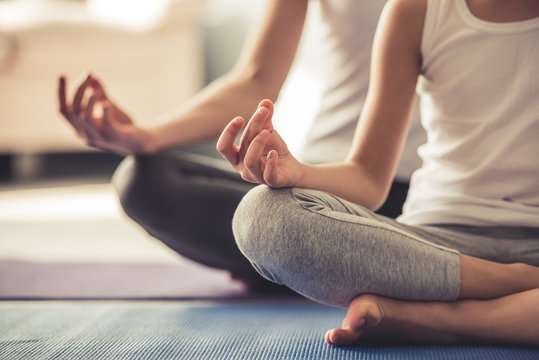
Yoga and meditation are practices that promote physical, mental, and spiritual well-being. While they are often associated with each other, they are distinct practices with different focuses.
Here's an overview of yoga and meditation:
1. Yoga: Yoga originated in ancient India and encompasses a range of physical, mental, and spiritual practices. It involves a combination of physical postures (asanas), breathing exercises (pranayama), meditation, and ethical principles. The primary goal of yoga is to achieve harmony and balance in the body, mind, and spirit.
Some key aspects of yoga include:
Physical Benefits: Yoga improves flexibility, strength, balance, and posture. It can also help with pain management, increase energy levels, and enhance overall physical fitness.
Mental and Emotional Benefits: Yoga helps reduce stress, anxiety, and depression. It promotes relaxation, mindfulness, and self-awareness, leading to improved mental well-being.
Spiritual Aspect: Yoga has a spiritual dimension, aiming to connect individuals with their inner self and a higher consciousness. It encourages self-reflection, introspection, and personal growth.
Styles and Traditions: There are various styles of yoga, such as Hatha, Vinyasa, Ashtanga, Bikram, and Kundalini, each with its own emphasis and approach. Additionally, different yoga traditions, such as Iyengar, Jivamukti, or Sivananda, may incorporate specific teachings and philosophies.
2. Meditation: Meditation is a practice that involves focusing the mind and inducing a state of deep relaxation and mental clarity. It can be done in various forms, including seated meditation, guided meditation, mindfulness meditation, and transcendental meditation. The main goal of meditation is to cultivate awareness, mindfulness, and a sense of inner calm.
Some key aspects of meditation include:
Mental Clarity: Regular meditation practice helps calm the mind, reduce racing thoughts, and improve concentration and focus.
Stress Reduction: Meditation is known to alleviate stress, anxiety, and emotional strain. It promotes a state of relaxation and enhances overall mental well-being.
Mindfulness: Many forms of meditation emphasize mindfulness, which involves paying attention to the present moment without judgment. This practice cultivates awareness and helps individuals develop a more positive and compassionate mindset.
Health Benefits: Meditation has been linked to various health benefits, including lowered blood pressure, improved immune function, better sleep, and reduced symptoms of certain conditions like chronic pain and depression.
Both yoga and meditation can be practiced individually or combined. Many yoga classes incorporate elements of meditation, such as breath awareness and mindfulness, during the practice. It's important to note that both yoga and meditation are personal journeys, and the benefits are often experienced gradually over time with consistent practice.
PANCHAKARMA
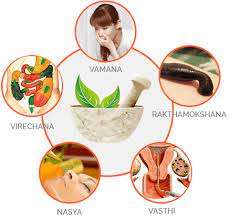
Panchakarma is an Ayurvedic therapy that focuses on detoxifying and rejuvenating the body. It is a comprehensive system of purification techniques used in Ayurveda, a traditional Indian system of medicine. The term "Panchakarma" translates to "five actions" in Sanskrit, referring to the five main procedures involved in the therapy. These procedures aim to remove accumulated toxins, or "ama," from the body, restore balance to the doshas (vital energies), and promote overall well-being.
The five actions of Panchakarma are:
1. Vamana (Therapeutic Emesis): This procedure involves controlled vomiting induced through the administration of herbal medicines. It is used to eliminate excess Kapha dosha from the body, particularly from the respiratory and digestive systems.
2. Virechana (Purgation Therapy): Virechana is the process of cleansing the body by inducing controlled bowel movements. It helps remove excess Pitta dosha from the body, particularly from the liver and gallbladder.
3. Basti (Enema Therapy): Basti involves the administration of herbal decoctions and oils through the rectum. It is used to eliminate Vata dosha from the body and helps nourish and lubricate the colon, promoting detoxification and rejuvenation.
4. Nasya (Nasal Administration): Nasya involves the application of herbal oils, powders, or medicated liquids into the nostrils. It helps cleanse and rejuvenate the nasal passages, sinuses, and head, and is particularly beneficial for balancing Kapha and Vata doshas in the upper body.
5. Rakta Mokshana (Bloodletting): Rakta Mokshana is the process of removing impure blood from the body. It is performed in specific conditions and aims to cleanse the blood and treat diseases related to blood impurities.
Panchakarma is typically carried out in a specialized Ayurvedic clinic or hospital under the guidance of trained practitioners. The therapy is personalized based on an individual's dosha imbalance and specific health needs. Before undergoing Panchakarma, a preparatory phase called "Purvakarma" is often implemented, which includes oleation (external and internal oil application) and sudation (steam therapy) to prepare the body for detoxification.
Panchakarma is not only used as a therapeutic measure but is also employed as a preventive healthcare practice to maintain overall health and prevent diseases. It is important to consult with a qualified Ayurvedic practitioner to determine if Panchakarma is suitable for an individual's specific health conditions and to receive proper guidance throughout the process.
SKIN DISEASES
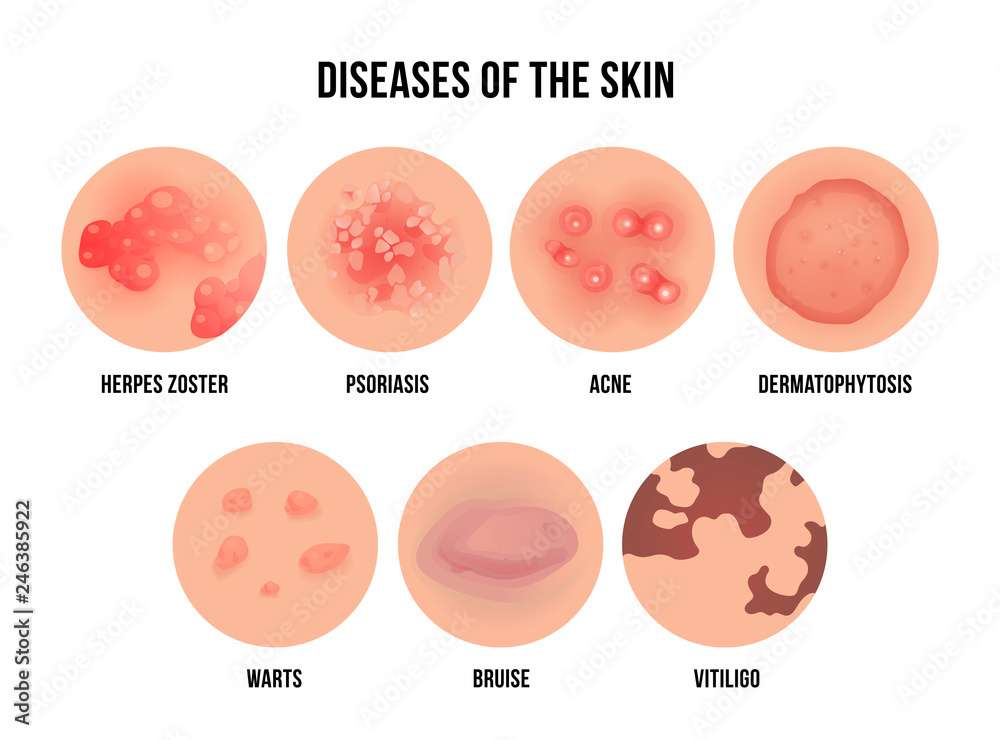
Skin diseases encompass a wide range of conditions that affect the skin, resulting in various symptoms and appearances. Some common skin diseases include:
- Acne: A common skin condition characterized by the formation of pimples, blackheads, and whiteheads on the face, chest, and back.
- Eczema: A chronic inflammatory condition that causes dry, itchy, and red patches on the skin.
- Psoriasis: A chronic autoimmune disease that causes red, scaly patches on the skin, often accompanied by itching or pain.
- Dermatitis: Inflammation of the skin that can be caused by various factors such as irritants, allergens, or genetic predisposition.
- Rosacea: A chronic skin condition characterized by facial redness, flushing, and sometimes pimples or visible blood vessels.
- Hives (Urticaria): Raised, itchy bumps on the skin that are often caused by an allergic reaction or exposure to certain triggers.
- Athlete's Foot: A fungal infection that affects the feet, causing itching, redness, and peeling of the skin.
- Ringworm: A fungal infection that forms a ring-shaped rash on the skin, often itchy and scaly.
- Impetigo: A highly contagious bacterial infection characterized by red sores that break open, ooze, and form a yellowish crust.
- Shingles: A viral infection caused by the reactivation of the varicella-zoster virus, resulting in a painful rash with fluid-filled blisters.
It's important to consult a dermatologist or healthcare professional for an accurate diagnosis and appropriate treatment for any skin condition.
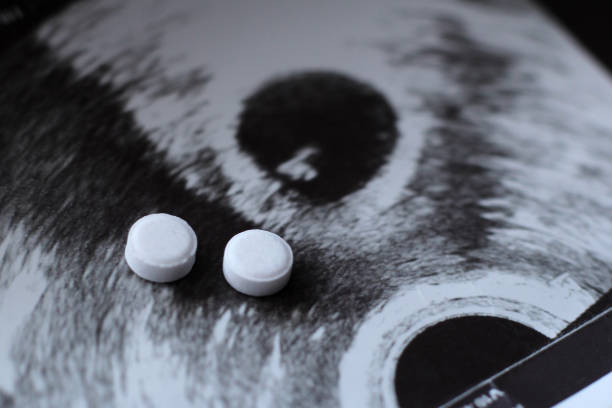
ABORTION
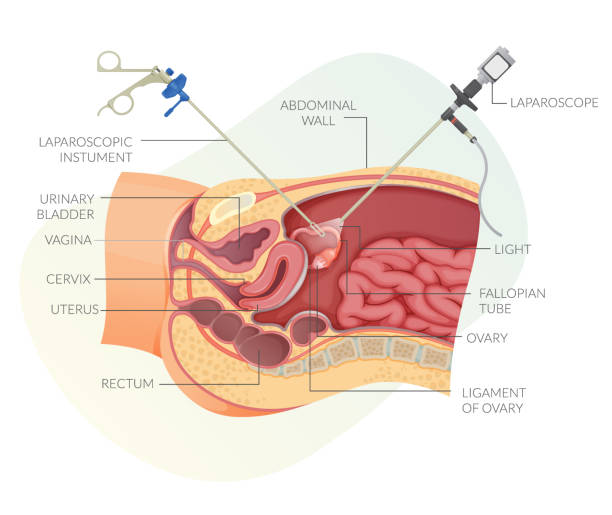
LAPAROSCOPY
MATERNITY
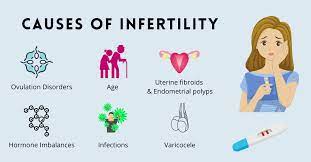
INFERTILITY
GYNAECOLOGY