
Dr Soham Atram
About Me
Dr Soham Atram
M.Ch
Hepato Pancreato Billary Surgeon
10 Years Experience
Biography
Your Trusted Liver Specialist in Nagpur Dr. Soham Atram is a leading liver specialist in Nagpur, widely respected for his pioneering work in liver transplantation, gastrointestinal surgery, and minimally invasive surgical techniques.
With years of experience and a patient-centered approach, he combines advanced medical knowledge with personalized care to deliver outstanding outcomes for his patients.
Comprehensive Expertise
- Liver Transplantation: Providing life-saving liver transplant surgeries with a multidisciplinary approach
- Gastrointestinal Surgery: Expert care for complex digestive system conditions
- Minimally Invasive Surgery: Utilizing laparoscopic and robotic surgery for faster recovery and less pain
- Chronic Liver Disease Management: Advanced treatment plans for cirrhosis and cirrhosis-related complications.
- Preventive Care and Patient Education: Emphasizing early diagnosis and lifestyle management to promote liver health.
My Clinic
OPD Hours
Treatments
Specialised care and treatments offered
ANORECTAL SURGERY
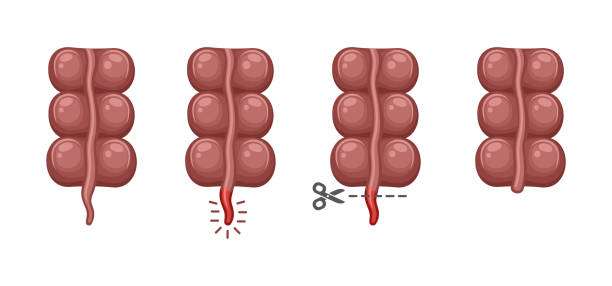
Anorectal surgery focuses on treating conditions that affect the anus and rectum — the lower part of the digestive tract where stool is collected and passed. These problems can cause pain, bleeding, itching, swelling, or difficulty while passing stool. An anorectal surgeon evaluates the issue and chooses the best treatment based on symptoms and severity.
Here are some common anorectal treatments explained in easy language:
1. Piles (Hemorrhoids) Treatment
Piles are swollen veins in the anal area that can cause bleeding, discomfort, or a lump.
Treatments include:
- Medication & lifestyle changes (for early stages)
- Rubber band ligation, where a small band is applied to shrink the pile
- Laser or stapler surgery, which offers faster recovery and less pain
2. Fissure Surgery
An anal fissure is a small tear in the skin around the anus, causing sharp pain and bleeding during bowel movements.
If medicines don’t help, surgery like lateral internal sphincterotomy (LIS) is performed to relax the muscles and allow the tear to heal naturally.
3. Fistula Surgery
A fistula is an abnormal tunnel between the skin and the anal canal. It causes repeated discharge, pain, or infection.
Treatment usually requires surgery such as:
- Fistulectomy (removing the tunnel)
- Seton placement (a thread used to drain infection)
- Laser closure for quicker healing
4. Abscess Drainage
A painful swelling filled with pus around the anal area is called an anorectal abscess.
The surgeon performs a small procedure to drain the pus, relieve pain, and prevent the formation of a fistula.
5. Pilonidal Sinus Surgery
This is an infected cyst or small hole near the tailbone, often containing hair.
Treatment may include:
- Cleaning and drainage
- Laser treatment
- Surgical removal of the sinus for long-term relief
6. Surgical Treatment for Incontinence
In some patients, the muscles controlling bowel movement become weak.
Treatments may include:
- Muscle repair surgery
- Biofeedback therapy
- Sphincter strengthening procedures
7. Anal Polyp or Growth Removal
Small growths in the anal canal can cause irritation or bleeding.
Minor surgery removes these growths safely, often preventing future complications.
Overall Goal of Anorectal Surgery
The main aim is to relieve pain, stop bleeding, remove infection, and restore normal bowel function. Modern anorectal surgeries are usually:
- Minimally invasive
- Less painful
- Done as day-care procedures
- Allow quick return to normal activities
PANCREATIC SURGERY
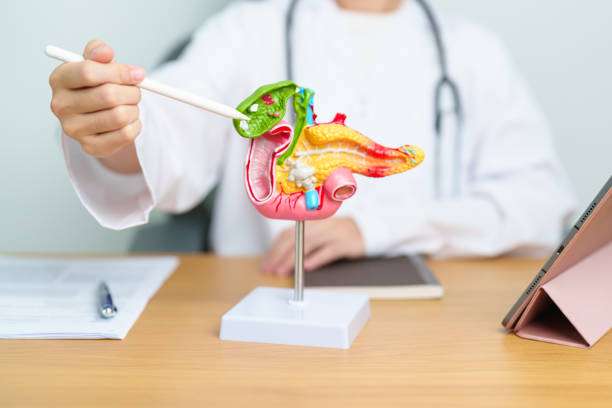
Pancreatic surgery refers to a group of operations performed on the pancreas to treat conditions such as pancreatic cancer, chronic pancreatitis, cysts, tumors, or severe infections. The pancreas is a vital organ that helps with digestion and controls blood sugar, so surgeries on it are usually complex and require a highly skilled HPB (Hepato-Pancreato-Biliary) surgeon.
The treatment approach depends on the patient’s condition, but the main goal of pancreatic surgery is to remove diseased or damaged tissue, relieve symptoms, and improve quality of life. Some common procedures include:
- Whipple Procedure (Pancreaticoduodenectomy):
Used mainly for tumors of the pancreatic head. The surgeon removes the affected part of the pancreas along with nearby structures and reconnects the digestive tract. - Distal Pancreatectomy:
Performed when disease is located in the body or tail of the pancreas. This surgery may also include spleen removal. - Total Pancreatectomy:
Removal of the entire pancreas when disease is widespread. Patients need lifelong insulin and enzyme replacement afterward. - Drainage or Debridement Procedures:
Used for chronic pancreatitis or severe infections to relieve pain, drain fluid collections, or remove dead tissue.
Pancreatic surgery is often done using advanced techniques, including minimally invasive or robotic surgery, which may reduce pain and recovery time. Patients typically stay in the hospital for several days and require careful monitoring of digestion and blood sugar.
This treatment can significantly help by removing tumors, controlling infections, reducing pain, and improving overall health outcomes. Your surgeon will recommend the best procedure based on your diagnosis, stage of disease, and overall fitness.
COLORECTAL SURGERY
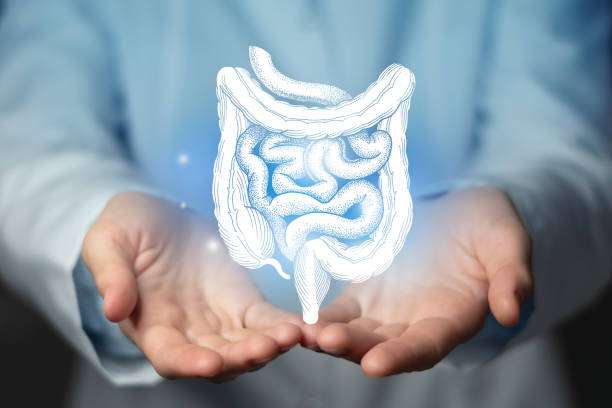
1. Hemorrhoid (Piles) Treatment
Colorectal surgeons treat painful and swollen veins around the anus, known as piles. Treatments can include medicines, rubber-band ligation, laser therapy, or minimally invasive surgery. The goal is to reduce bleeding, pain, itching, and swelling, and help the patient return to normal activities quickly.
2. Anal Fissure Treatment
An anal fissure is a small tear in the skin around the anus that causes severe pain during bowel movements. Treatment often starts with soothing creams, stool softeners, and warm water baths. If symptoms don’t improve, surgeons may perform a small procedure to relax the muscle and allow the fissure to heal fully.
3. Anal Fistula Surgery
A fistula is an abnormal tunnel between the anus and surrounding skin that causes repeated infections. Surgeons treat it using procedures like fistulotomy, LIFT, or laser surgery. The aim is to remove the infection, close the tunnel, and prevent recurrence while protecting anal function.
4. Colorectal Cancer Treatment
This includes diagnosis, removal of cancerous tumors, and reconstruction of the bowel if necessary. Surgeons may perform laparoscopic or robotic surgery to remove affected parts of the colon or rectum. Treatment often works alongside chemotherapy or radiation to ensure the best recovery and long-term health.
5. Inflammatory Bowel Disease Surgery (Crohn’s Disease & Ulcerative Colitis)
When medical therapy fails or complications arise, surgery may be needed to remove damaged sections of the intestine. The focus is on relieving pain, controlling bleeding, preventing infections, and improving quality of life. Procedures can be minimally invasive and tailored to each patient’s condition.
6. Colon Polyps Removal
Polyps are abnormal growths inside the colon that can sometimes turn into cancer. Surgeons remove them using colonoscopy or keyhole surgery. Early removal helps prevent colorectal cancer and keeps the bowel healthy.
7. Treatment for Diverticulitis
Diverticulitis occurs when small pouches in the colon become infected or inflamed. Treatment includes antibiotics, diet changes, and in severe cases, surgery to remove the affected segment. Surgery is usually minimally invasive and helps prevent future attacks.
8. Rectal Prolapse Repair
Rectal prolapse happens when the rectum slips out of its normal place. Surgeons repair it using abdominal or perineal procedures, often done through laparoscopy or robotics. The goal is to restore bowel function and stop discomfort, leakage, or difficulty passing stool.
9. Pilonidal Sinus Surgery
This is a chronic infection near the tailbone that causes pain and discharge. Treatment involves cleaning the infected area and removing the sinus tract. Modern techniques focus on minimal cuts, faster healing, and low recurrence.
10. Constipation & Bowel Disorder Surgeries
For severe or long-term bowel difficulties that don’t respond to medicines, surgeons may correct underlying structural problems. This helps restore smoother bowel movement and improves day-to-day comfort.
HEPATO-BILIARY
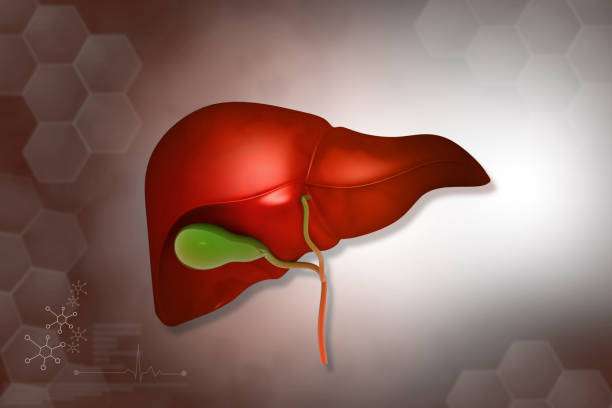
1. Liver Resection (Hepatectomy)
What it is:
A surgery where the doctor removes the damaged or cancer-affected part of the liver.
Why it’s done:
For liver tumors, cancers, cysts, or severe infections.
How it helps:
Removing the diseased portion allows the remaining liver to stay healthy and regrow over time.
2. Gallbladder Removal (Cholecystectomy)
What it is:
A common surgery to remove the gallbladder, usually done with keyhole (laparoscopic) techniques.
Why it’s done:
To treat gallstones, infections, severe pain, or inflammation.
How it helps:
Stopping recurring pain, infection, and digestive problems caused by gallstones.
3. Bile Duct Surgery
What it is:
Procedures to clear blocks in bile ducts or remove tumors affecting the bile duct system.
Why it’s done:
To treat bile duct stones, strictures (narrowing), or bile duct cancers.
How it helps:
Restores the smooth flow of bile, reducing jaundice (yellowing), pain, and infections.
4. Pancreatic Resection (Whipple Procedure / Distal Pancreatectomy)
What it is:
A major surgery where part of the pancreas, and sometimes surrounding organs, is removed.
Why it’s done:
To treat pancreatic tumors, cysts, chronic pancreatitis, or cancers.
How it helps:
Removes diseased tissue, reduces pain, and improves long-term survival especially for early cancers.
5. Treatment for Acute or Chronic Pancreatitis
Includes:
- Medicines for pain & inflammation
- Enzyme supplements for digestion
- Procedures to remove blockages
- Lifestyle / diet management
- Surgery in severe cases
Goal:
Reduce inflammation, control pain, and prevent future attacks.
6. Laparoscopic Bile Duct Exploration
What it is:
A minimally invasive procedure to remove stones lodged in the bile duct.
Why it’s done:
To treat stones causing jaundice, infections, or severe pain.
How it helps:
Removes blockages quickly and safely, often without needing open surgery.
7. Liver Transplant Evaluation & Surgery
What it is:
Replacing a failing liver with a healthy donor liver.
Why it’s done:
For advanced liver failure, cirrhosis, or certain liver cancers.
How it helps:
Offers long-term survival and improves quality of life.
8. ERCP (Endoscopic Retrograde Cholangiopancreatography)
What it is:
A non-surgical procedure using a flexible tube (endoscope) to examine and treat problems in the bile and pancreatic ducts.
Why it’s done:
To remove stones, place stents, treat leaks, or take biopsies.
How it helps:
Provides relief from jaundice and pain without major surgery.
9. Radiofrequency Ablation (RFA) / Microwave Ablation
What it is:
A targeted treatment where heat is used to destroy small liver tumors without open surgery.
Why it’s done:
For small, early-stage liver cancers or in patients unfit for surgery.
How it helps:
Quick recovery, minimal pain, and effective tumor control.
10. Liver Cyst Treatment
What it is:
Draining or surgically removing fluid-filled cysts in the liver.
Why it’s done:
To relieve pain, pressure, or symptoms caused by large cysts.
How it helps:
Provides long-term relief and prevents recurrence.
GI ONCOLOGY

GI Oncology focuses on diagnosing and treating cancers of the digestive system, which includes the esophagus, stomach, liver, pancreas, gallbladder, small intestine, colon, rectum, and anus. A GI oncologist specializes in providing personalized care for these cancers using modern, evidence-based treatments.
1. Medical Treatment
These treatments aim to control cancer growth, shrink tumors, or prevent recurrence.
- Chemotherapy: Uses anti-cancer medicines to destroy rapidly growing cancer cells. It may be given before surgery (to shrink tumors) or after surgery (to prevent recurrence).
- Targeted Therapy: Medicines that specifically attack cancer cells based on genetic mutations, causing fewer side effects compared to regular chemotherapy.
- Immunotherapy: Boosts the patient’s immune system to help the body fight cancer naturally. Useful in many advanced GI cancers.
2. Surgical Treatment
Surgery is often the primary treatment for localized GI cancers.
- Tumor Resection: Removing the cancerous part of the organ (e.g., removing a segment of the colon or part of the stomach).
- Minimally Invasive Surgeries: Laparoscopic or robotic surgeries that offer faster recovery and smaller scars.
- Liver & Pancreatic Surgeries: Highly specialized operations performed for liver tumors, bile duct cancers, and pancreatic cancer.
3. Radiation Therapy
High-energy rays are used to destroy cancer cells.
- Often used for rectal, esophageal, and pancreatic cancers.
- Can be combined with chemotherapy (chemoradiation) for better results.
- Helps relieve pain or bleeding in advanced stages.
4. Endoscopic Treatments
Non-surgical procedures performed through a scope.
- Endoscopic tumor removal (for very early cancers).
- Stenting to open blocked areas of the esophagus or colon.
- Radiofrequency ablation for certain liver tumors.
5. Precision Medicine
Treatment is planned by studying the tumor’s genetic profile, lifestyle factors, and overall health.
- Helps choose the right targeted medicine.
- Improves treatment response and reduces unnecessary side effects.
6. Supportive & Palliative Care
Improves quality of life during and after treatment.
- Pain management
- Nutritional support
- Managing treatment side effects (nausea, fatigue, appetite loss)
- Emotional and psychological support
LAPAROSCOPIC SURGERY
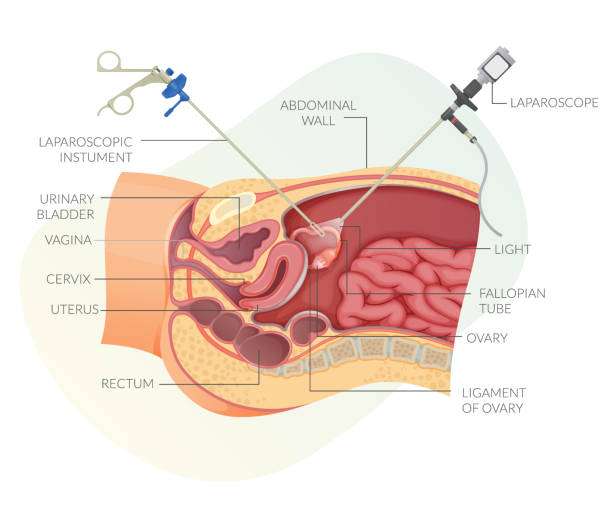
1. Laparoscopic Cholecystectomy (Gallbladder Removal)
A minimally invasive surgery to remove the gallbladder when a patient has gallstones or repeated pain. The surgeon makes 3–4 tiny cuts in the abdomen, inserts a camera, and gently removes the gallbladder. Recovery is quick, pain is less, and most people go home the same or next day.
2. Laparoscopic Appendectomy
This procedure removes an inflamed or infected appendix using small cuts and a camera. It helps prevent complications like rupture. Patients typically recover faster, with less pain and minimal scars compared to open surgery.
3. Laparoscopic Hernia Repair (Inguinal, Umbilical, Ventral)
The surgeon repairs a hernia—where an organ pushes through a weak spot in the muscle wall—through tiny incisions. A mesh is placed to strengthen the area. It offers quicker return to normal activities and reduced postoperative discomfort.
4. Laparoscopic Hysterectomy
A minimally invasive removal of the uterus using a small camera inserted through the abdomen. This method causes far less pain than open surgery and allows patients to return home within 24 hours with quicker healing.
5. Laparoscopic Ovarian Cystectomy
Used to remove cysts from the ovaries while preserving healthy ovarian tissue. The surgeon works through small incisions, ensuring minimal scarring, less bleeding, and faster recovery.
6. Laparoscopic Fundoplication (for Acid Reflux / GERD)
This surgery helps treat severe acidity or reflux by tightening the valve between the oesophagus and stomach. It prevents acid from flowing back up, improving symptoms like heartburn and regurgitation.
7. Laparoscopic Colectomy (Colon Surgery)
A minimally invasive technique to remove part of the colon affected by cancer, infection, or inflammation. Small incisions and camera guidance reduce postoperative pain and help patients recover faster.
8. Laparoscopic Bariatric Surgery (Weight-Loss Surgery)
Procedures like sleeve gastrectomy or gastric bypass are performed through small cuts. These reduce stomach size or reroute digestion to help in significant weight loss and control conditions like diabetes or sleep apnea.
9. Laparoscopic Splenectomy (Spleen Removal)
The spleen is removed using keyhole surgery when damaged or overactive. This approach causes less pain and allows patients to resume life sooner.
10. Diagnostic Laparoscopy
A simple, minimally invasive procedure where a camera is inserted through a small incision to diagnose abdominal or pelvic problems. It avoids large cuts and gives clear visual confirmation of conditions.
LIVER CANCER
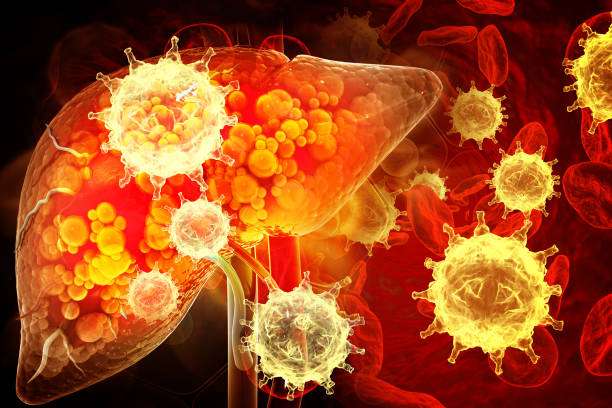
Liver Cancer – Treatment & Description
Liver cancer treatment depends on the type of cancer, size of the tumor, whether it has spread, and the overall health of the liver. A Hepato-Pancreato-Biliary (HPB) surgeon works closely with cancer specialists to decide the best option. Treatments may include one or a combination of the methods below:
1. Surgery (Liver Resection or Tumor Removal)
If the tumor is small and the remaining liver is healthy, doctors may remove the cancerous part of the liver.
- This is one of the most effective treatments when done early.
- After surgery, the remaining liver usually regrows and returns to normal function.
2. Liver Transplant
If the cancer is small but the liver is badly damaged (for example due to cirrhosis), a liver transplant may be recommended.
- The whole diseased liver is removed and replaced with a healthy donor liver.
- This offers one of the best long-term outcomes, but requires matching a donor and strict eligibility criteria.
3. Ablation Therapy
These treatments destroy cancer cells without major surgery. They are used when surgical removal is not possible.
- Radiofrequency Ablation (RFA) – uses heat to burn the tumor.
- Microwave Ablation – similar but uses microwaves for deeper tumors.
- Alcohol Injection – alcohol is injected directly into the tumor to kill the cells.
Ablation works best for small tumors (usually less than 3 cm).
4. Embolization Therapy
Used when the tumor is too large for ablation or surgery.
- TACE (Trans-Arterial Chemoembolization): Delivers chemotherapy directly to the tumor’s blood supply and blocks the artery, starving the cancer.
- TARE (Trans-Arterial Radioembolization): Tiny radioactive beads are injected into the blood vessel feeding the tumor.
These treatments help shrink the tumor or slow its growth.
5. Targeted Therapy
These medicines specifically attack cancer cells or cut off the blood supply helping the tumor grow.
Common targeted drugs include:
- Sorafenib
- Lenvatinib
They are usually given when cancer has spread or surgery is not possible.
6. Immunotherapy
These medicines help the body’s immune system recognize and attack cancer cells.
Common immunotherapy drugs:
- Nivolumab
- Pembrolizumab
- Atezolizumab + Bevacizumab (a commonly used combination)
Immunotherapy has improved survival for many patients with advanced liver cancer.
7. Chemotherapy
Traditional chemotherapy is less effective for liver cancer, so it is not usually the first choice. But it may be used in some advanced cases or when other options fail.
8. Supportive & Palliative Care
If cure is not possible, doctors focus on:
- controlling pain
- managing symptoms like jaundice or ascites
- improving quality of life
This care is just as important and helps patients stay comfortable.